Honest Greens

Honest Greens is the perfect mix of a fast food and sit down restaurant but everything on the menu is healthy. When you walk in the ambiance is very laid back and hipster. You get in line to order as you would at a fast food restaurant but then you have the option to sit down or take it to go. If you sit down you are brought your food and waited on. I love having the option if I need to get work down or grab a bite with a friend vs. if I am in a rush to get somewhere. 

Two of my favorite dishes are the Umami salad and the whole roasted cauliflower. They are so delicious and are perfect for getting back on a healthy diet. You can find the rest of the menu here

They only have one location in Barcelona in Plaça Catalunya, but also have four locations in Madrid.

Their mission is to create healthy, affordable, delicious and quick food. The creators were three travelers that met in Spain, one from the United States, one from Denmark and one from France that came together to create the chain that is now Honest Greens. They take pride in knowing everything that goes into their food and their logo is “You are what you eat.”

The chain seems more popular in Madrid because of the many locations. NakedMadrid, a guide to the city of Madrid, posted an in depth review on it a little over a year ago..

Honest Greens in my go-to for after class because of the proximity to CEA and how healthy but yummy it is. I will definitely miss living so close to it when I go back to the United States. 

All of these restaurants are not overly expensive and definitely student friendly. All have different atmospheres but all ones I love and enjoy. I highly recommend you check these spots out if you are ever in Barcelona. 

Surf House

Surf House is a complete tourist attraction for abroad students, but that does not take away from how good it truly is. Surf House has all of my favorite foods, from burgers to acai bowls, their menu is full of healthy options to not so healthy options. One of their most famous dishes among abroad students is the nachos. 

My personal favorite dish is the Acai Bowl…

Another great part about Surf House is the offers they have. They offer free paddle boarding for costumers that spend over 15 euro, they offer surf lessons for an extra cost, beach yoga and many other fun activities. 

They also have their own merchandise selling sweatshirts, t-shirts, hats, socks, board shorts, and bags.

Tosca

Toscais one of my other all time favorite restaurants and I am lucky enough to have one right outside my apartment. I like this restaurant specifically because it was not on any recommendations from prior students I know that studied abroad and I found it on my own. I will now probably recommend this place to everyone I know. 

There are two locations: Tosca Del Carme

View this post on Instagram

#sittin'in_BCN# thinkin'of_NYC# is_it_too_much#?!?!!#

A post shared by Beka Markovic (@bmarkovicbeka) on

The other location is Tosca Palau

Some of my favorite meals from Tosca Carme are definitely their salads. I’ve tried nearly every one on the menu

But my favorite course is always desert and their homemade banana cake has to be one of my all time favorite deserts.

Tosca is perfect for a casual meal or more dressed up. The atmosphere is full of all ages and their staff is super friendly. I recommend it to anyone – young or old.

Barceloneta – La Playa

Part of the reason I chose to study in Barcelona was because it was a coastal city. I grew up about 20 minutes from the coast and would summer on the coast of Maine throughout my life but the thought of being a 15 minute walk from a beach for four months was so appealing to me.  Not to mention I would be there during the frigid winter season I am used to. 

My favorite activity in Barcelona has to be just relaxing by the beach. I love the overall vibe of the people that are there and there is so much to do. Some of my favorite things to do at the beach are eating at restaurants by the water, spending time with friends near the water with some cheese and wine, and walking along the shoreline. As it has begun to get warmer I have been spending more and more time here and I love every second of it. 

My favorite restaurant on the beach is definitely Surf House. I love the healthy options as well as the not so healthy options. They also have a lot of discounted activities such as surfing and paddle boarding that you receive if you spend a certain amount of money there. 

I also like to bring some drinks and food and have a picnic on the beach with friends. It’s perfect especially at the end of the semester when we’re all running out of money. 

I am going to miss living so close to the shore so much when I go home. There is almost always live music where you can just sit on a bench and enjoy the fresh ocean air.

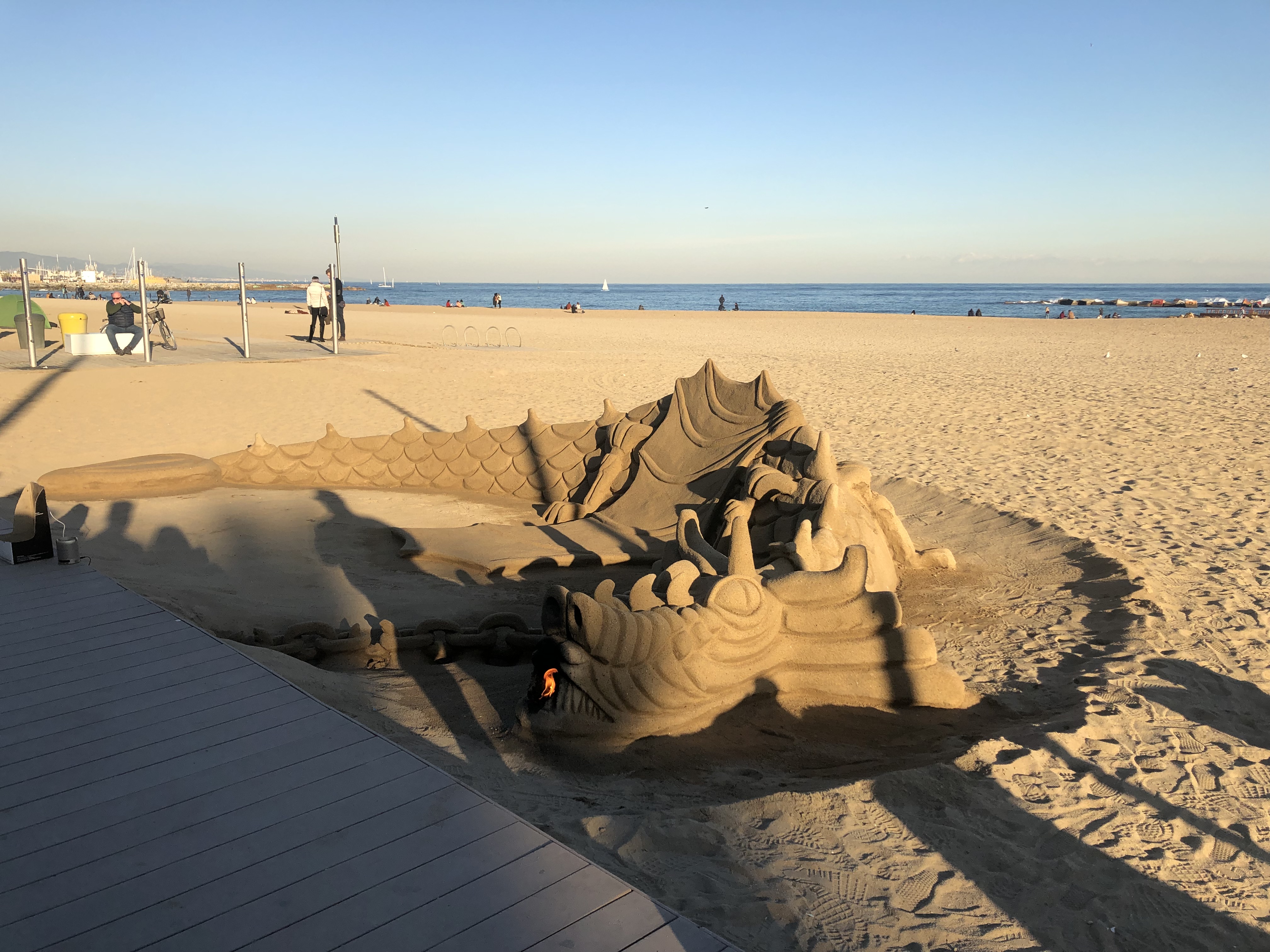
And of course I’ll miss the brilliant sand sculptures with real fire coming out of it…

Barceloneta Beach will always have a place in my heart. 

Women’s March – Barcelona

https://elpais.com/elpais/2019/03/08/inenglish/1552051103_915747.html

This past Friday on March 8th, 2019, 200,000 women took the streets of Barcelona to protest women’s rights and equality. This took place on this date because it was International Women’s Day. These protests were not only in Barcelona but also all over Spain.

The women were protesting the rights of women in the work force such as pay gap, fewer women with higher up positions, and gender violence. They were also fighting against a lack of female representation in the government and general equality among men and women. Their slogan was “We have 1,000 reasons.”

Everywhere you went on Friday there were people dressed in purple with the symbol for women drawn on their face. The crowd seemed to follow me everywhere I went for most of the morning and early afternoon until it died down. Their signs read various slogans mostly in Spanish, some vulgar and some not. These were some examples…

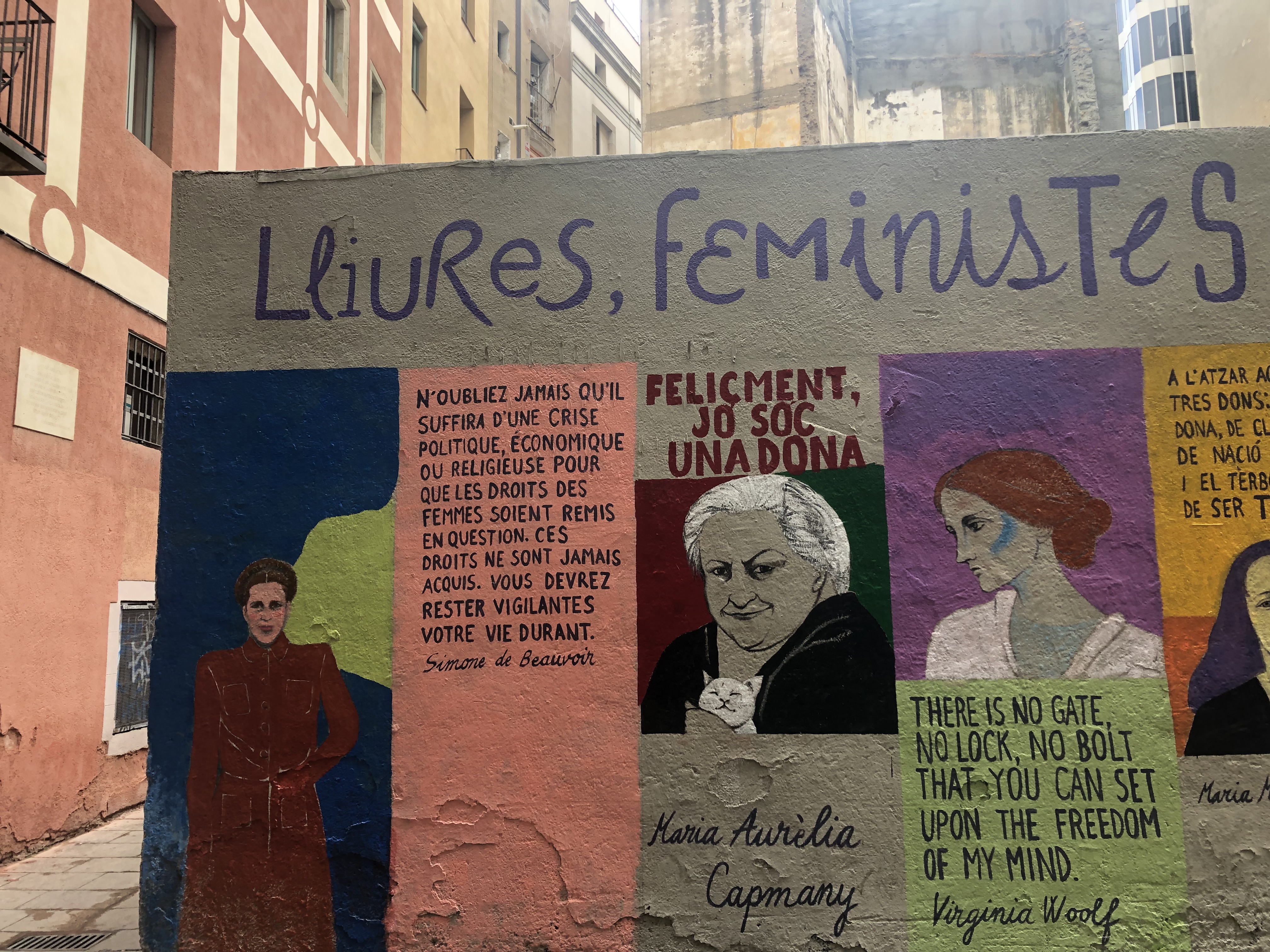
This picture was in Plaça Catalunya but the parade went farther down towards the water as well. As I was walking down to the beach, I saw murals showcasing prominent strong women in Spanish society which was very interesting. I also saw a popular mural near the Cathedral with women’s march stickers all over it.

The march, although mostly in Spanish, made be feel empowered as a woman. I really liked how peaceful it was and how everyone became unified that day. It was different than my experience with protests in the Unites States, usually they can become violent, so this was very nice to see.

Field Study #2 – El Born

Last week we took a field trip to an area called El Born in La Ribera Quarter. This field trip was very interesting because every street we visited had a purpose for who lived on it. There were streets for shoemakers, candlemakers, cotton makers, and the list goes on.

Streets Dedicated to Craftsmanship or Trades

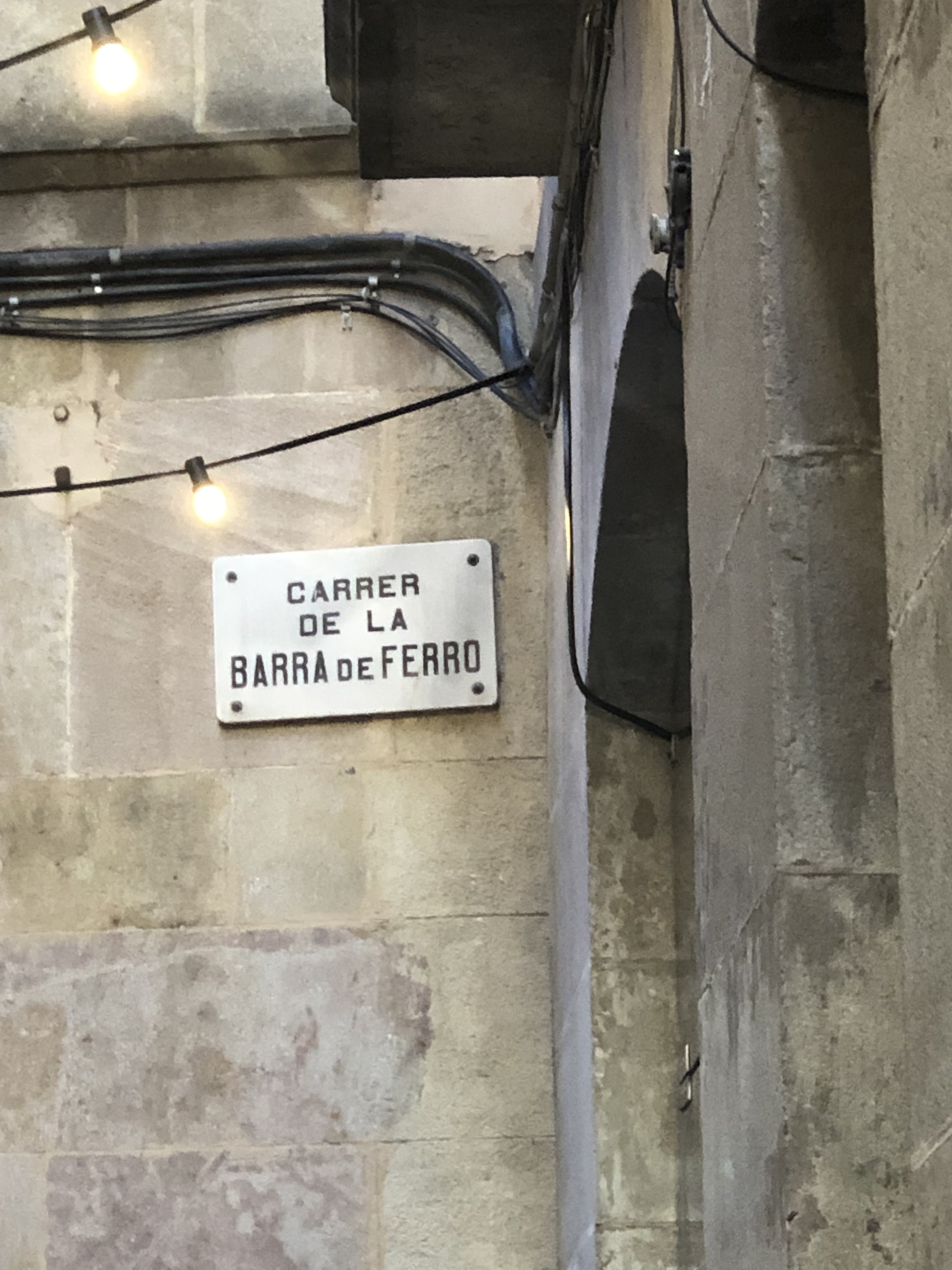
  • 1. Carrer de la Barra de Ferro – The street of iron, On this street, all of the iron workshops were located in the bottom of the houses on one street.
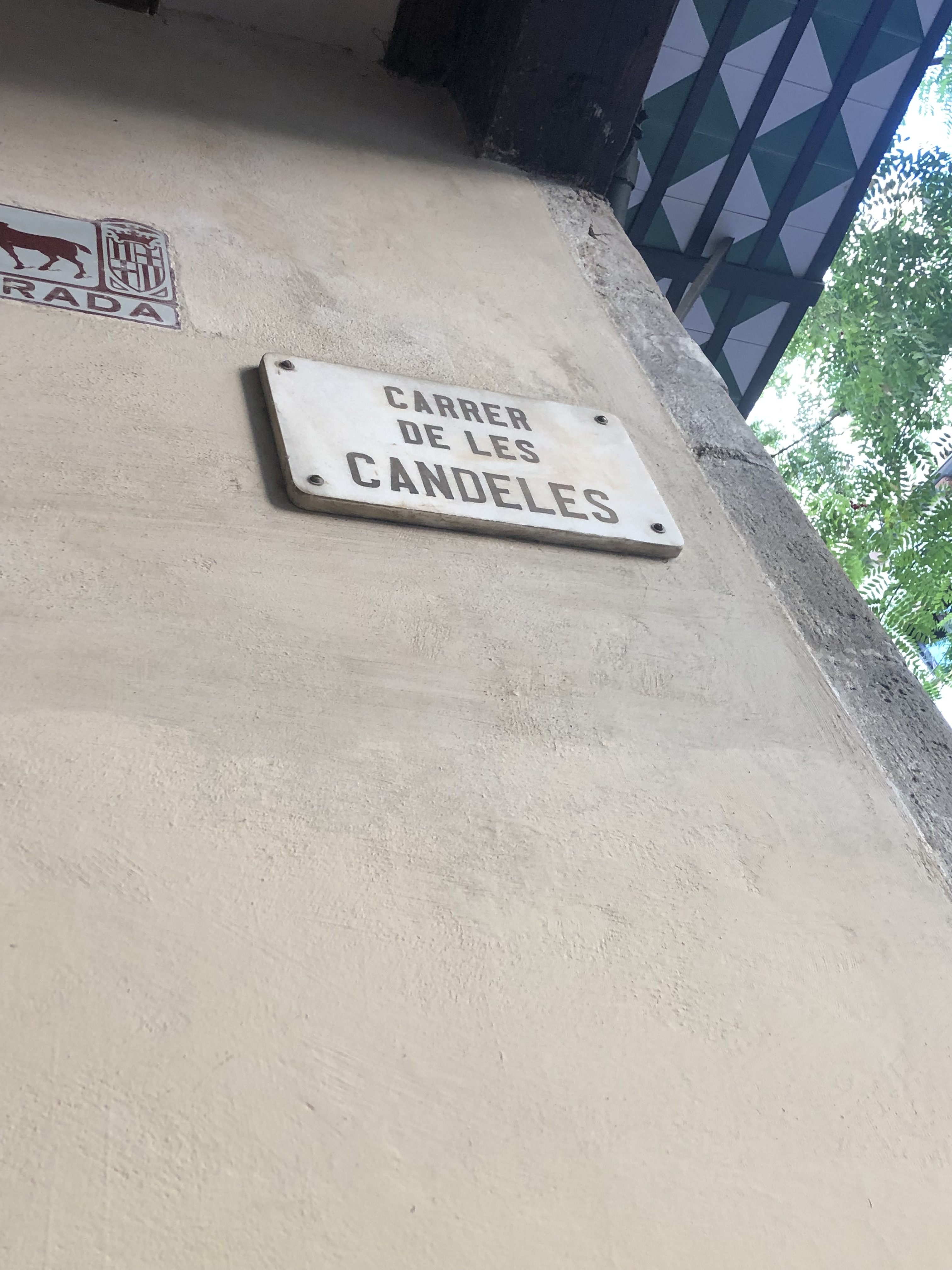
  • 2. Carrer de les Candeles – Street of candles, On this street, all the candlemakers lived here and had their stores at the bottom of their houses.
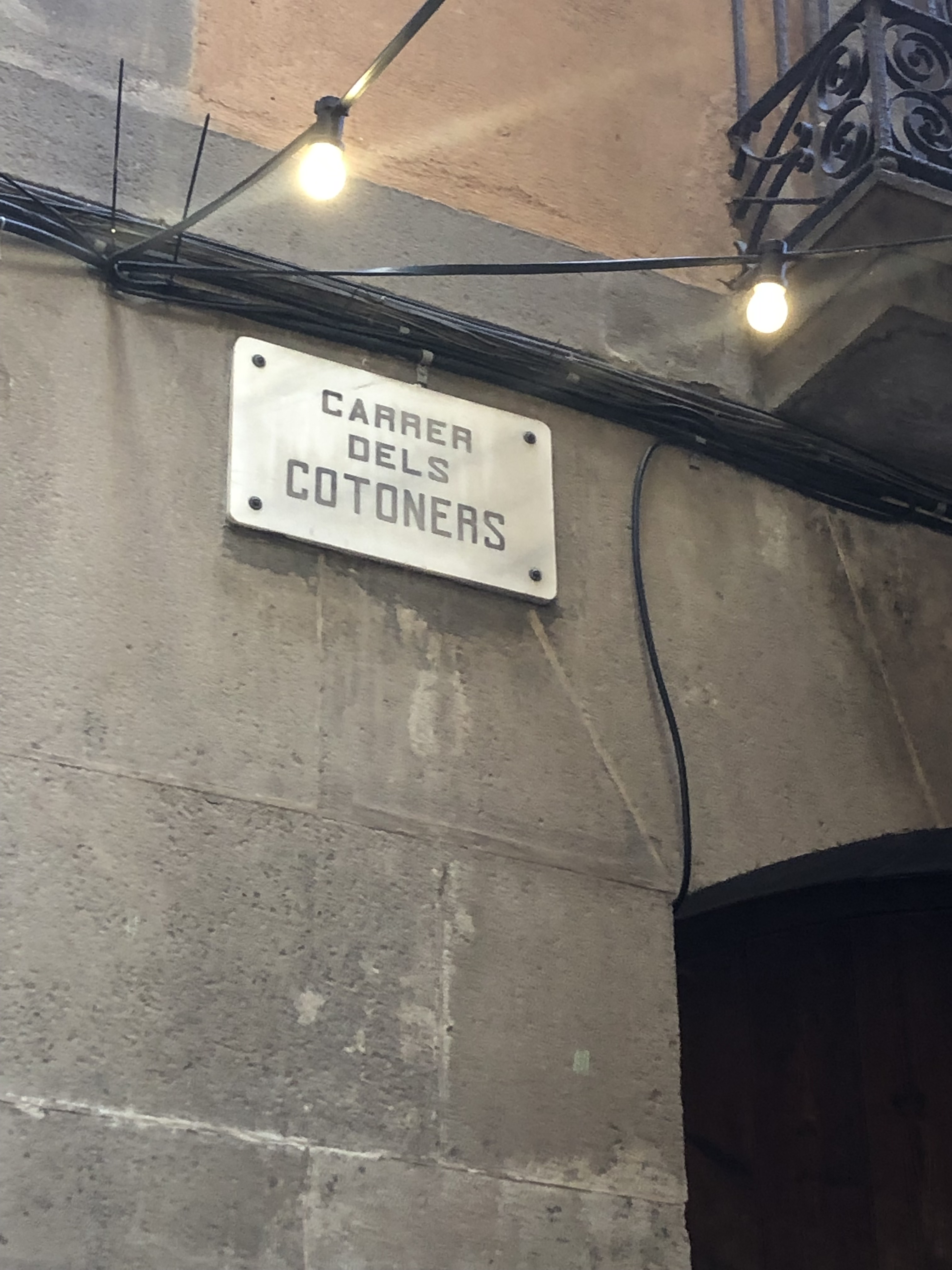
  • 3. Carrer dels Cotoners – Street of cotton, On this street, the cotton makers were located. Just as the other streets, their stores were located at the bottom floor of their houses.
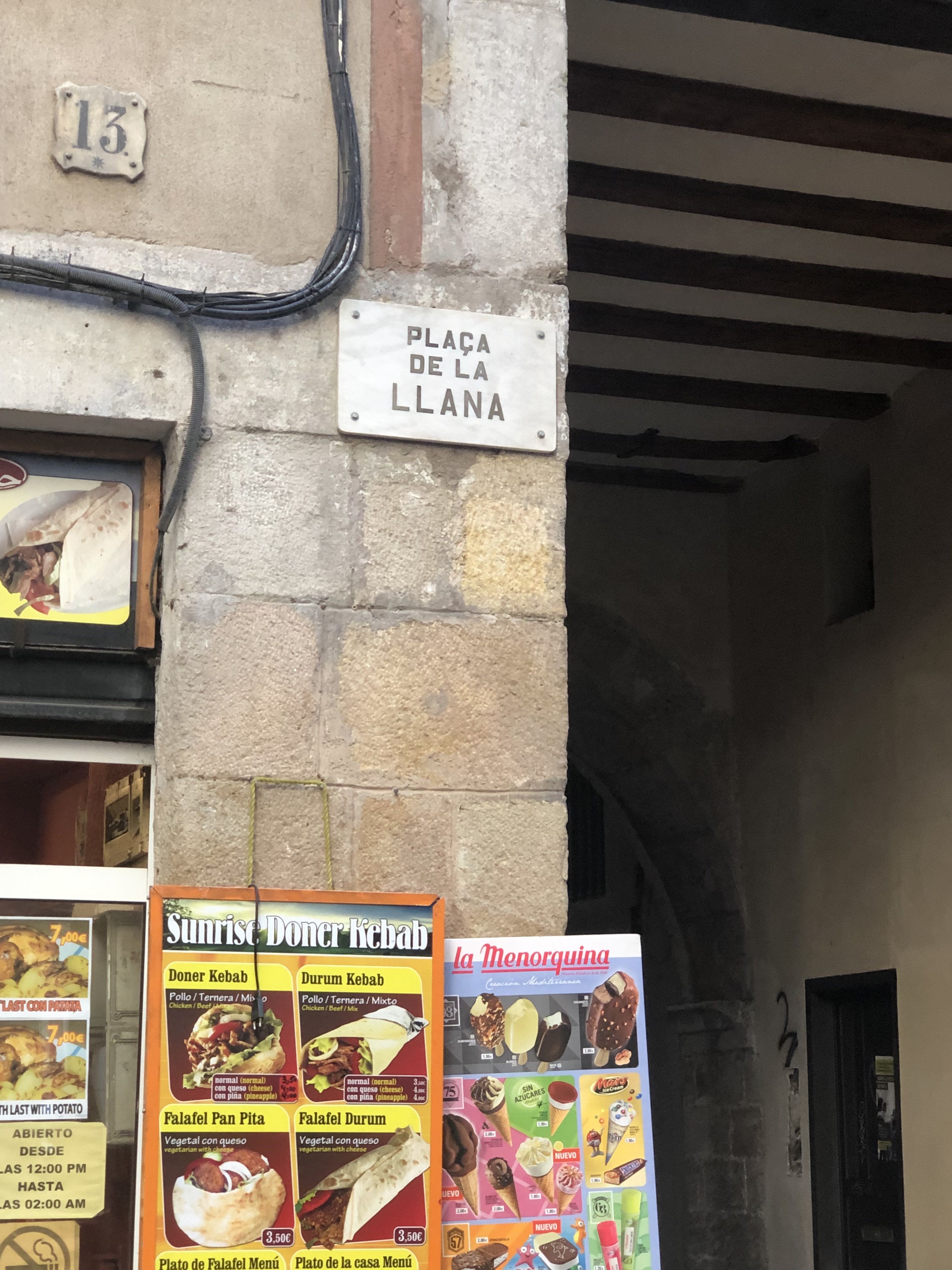
  • 4. Plaça de la Llana – Square of wool, This square is where all the wool shops were located. It was different than the streets because it was a square of wool shops all facing each other.


  • 5. Carrer de les Semoleres – The street of nurseries, The last street that unfortunately I didn’t get a pictures of was the street of nurseries.

“Els Gremis” also known as the guilds were places of merchants that would live in the same building as their workshops. Which leads me into the explanation of “La casa-taller” which was the house-workshop where the merchants had their businesses. The workshop was on the ground floor, the owners of the workshop would live in the second floor, and the top floor is where the servants and workers would live.

When I looked around at all the buildings in the area, they were different from each other. Specifically, the craftsmanship family house would have a door and large windows at the ground floor to showcase the service they specialized in. Then as the floors went up there would be larger windows on the owners floor sometimes with a balcony and smaller windows for the women, children, servants and workers as the floors went up.

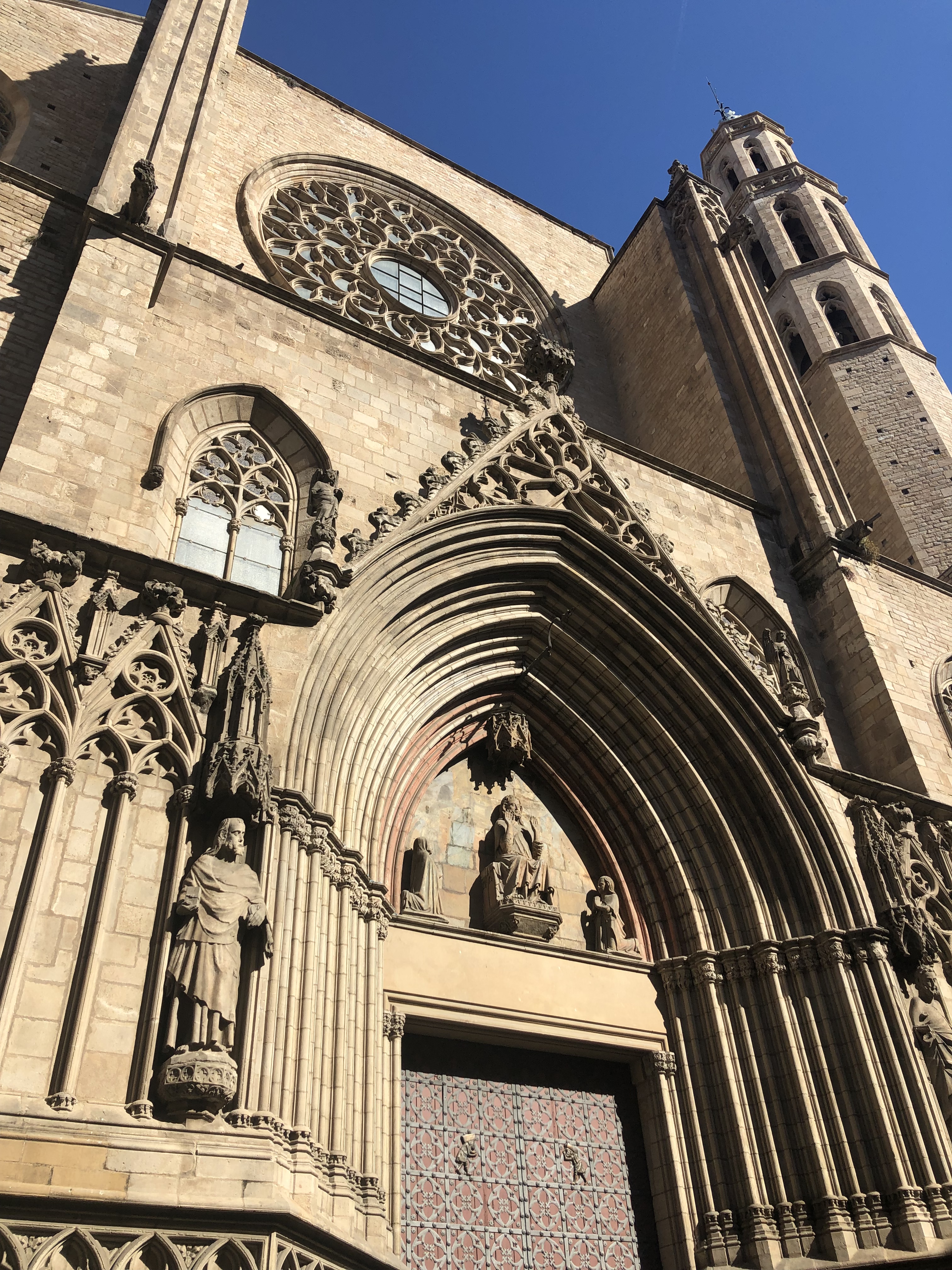
  • Santa María del Mar – This church was so pretty from the outside and I was disappointed we did not get to go inside. It was important to Catalan culture because it was where the workers we allowed to pray and go to mass so they had somewhere to practice their religion.
  • El Mercat del Born – El Mercat del Born was my favorite place that we went to on our field trip. It was the first market for a neighborhood to get their groceries and there is still existing pieces from it there today.

Lastly, we saw el Consolat de Mar. This is where the boats would bring in things they would trade with other countries. It was interesting to me that the water used to come back that far and is now very far away from where it used to be.

Field Study #1 – Barcino

Last Thursday, I ventured across the street about 10 minutes from my apartment to the Museu d’Història de la Ciutat. I was amazed that such a beautiful landmark in Barcelona was so close to where I am living for four months.

Before we actually entered the museum showing us Barcino, we explored the area around it, known as present day Barcelona. The first thing that stuck out to me was the archways that were influenced by the Romans.
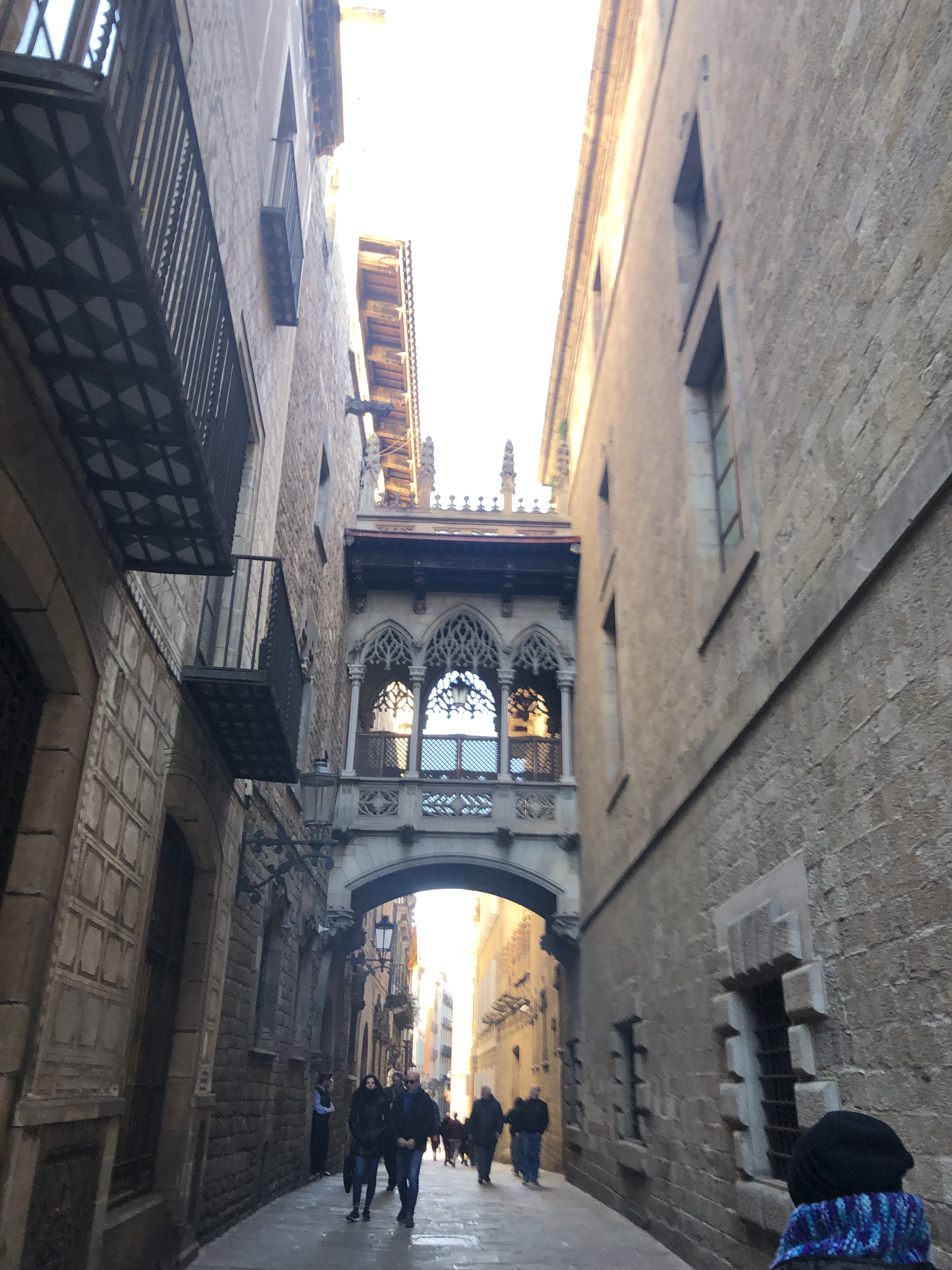
Next, we saw columns in between some apartment buildings which were influenced by Roman architecture. Later, we saw columns that were not as ancient, outside a building that were also clearly influenced by the Roman culture.

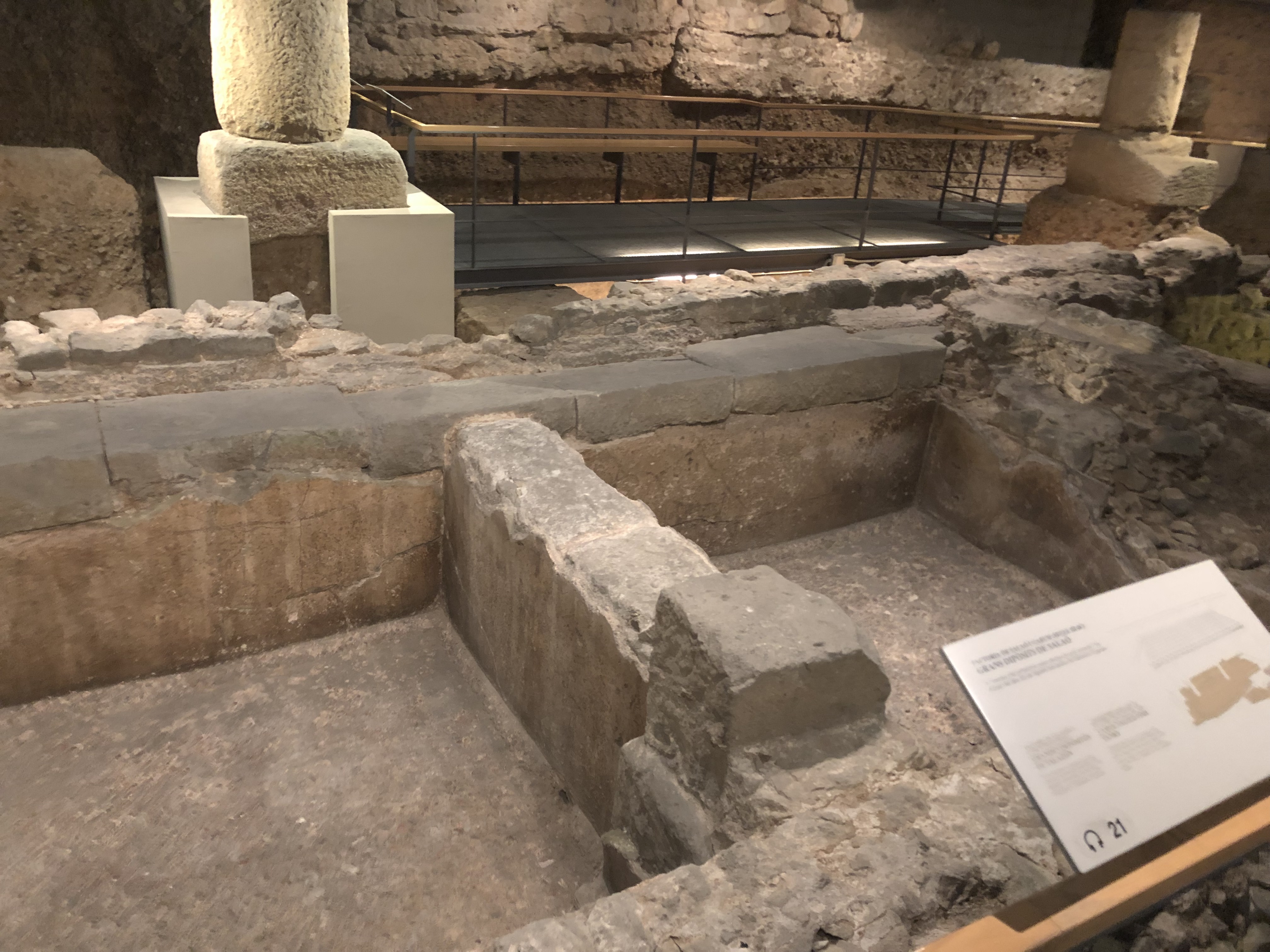
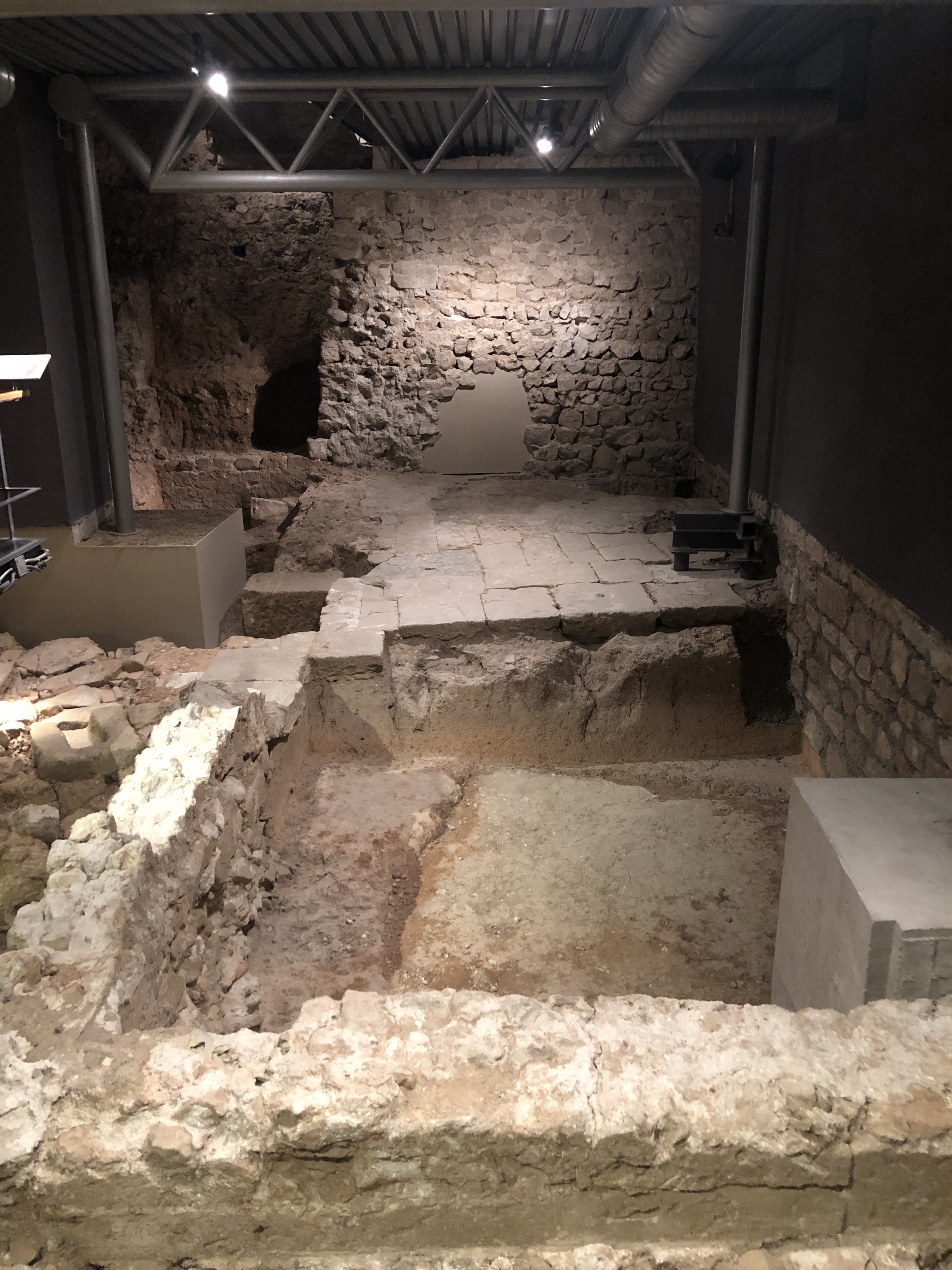
While inside the museum I found almost half the structures were influenced by Romans. Such as this sewer and rising vat for laundry with an opus spicatum bottom and drain.

Next, we viewed some Roman Religious artifacts and learned about the emergence of Monotheism from Polytheism. Polytheism is when people believe in many gods, which connects to Spain because Romans are people who believe in many gods and influenced a lot of their culture. The change to Monotheism, believing in one god, came about when Spain became a Catholic country.

This was the east end of the church where they eliminated the necropolis. 

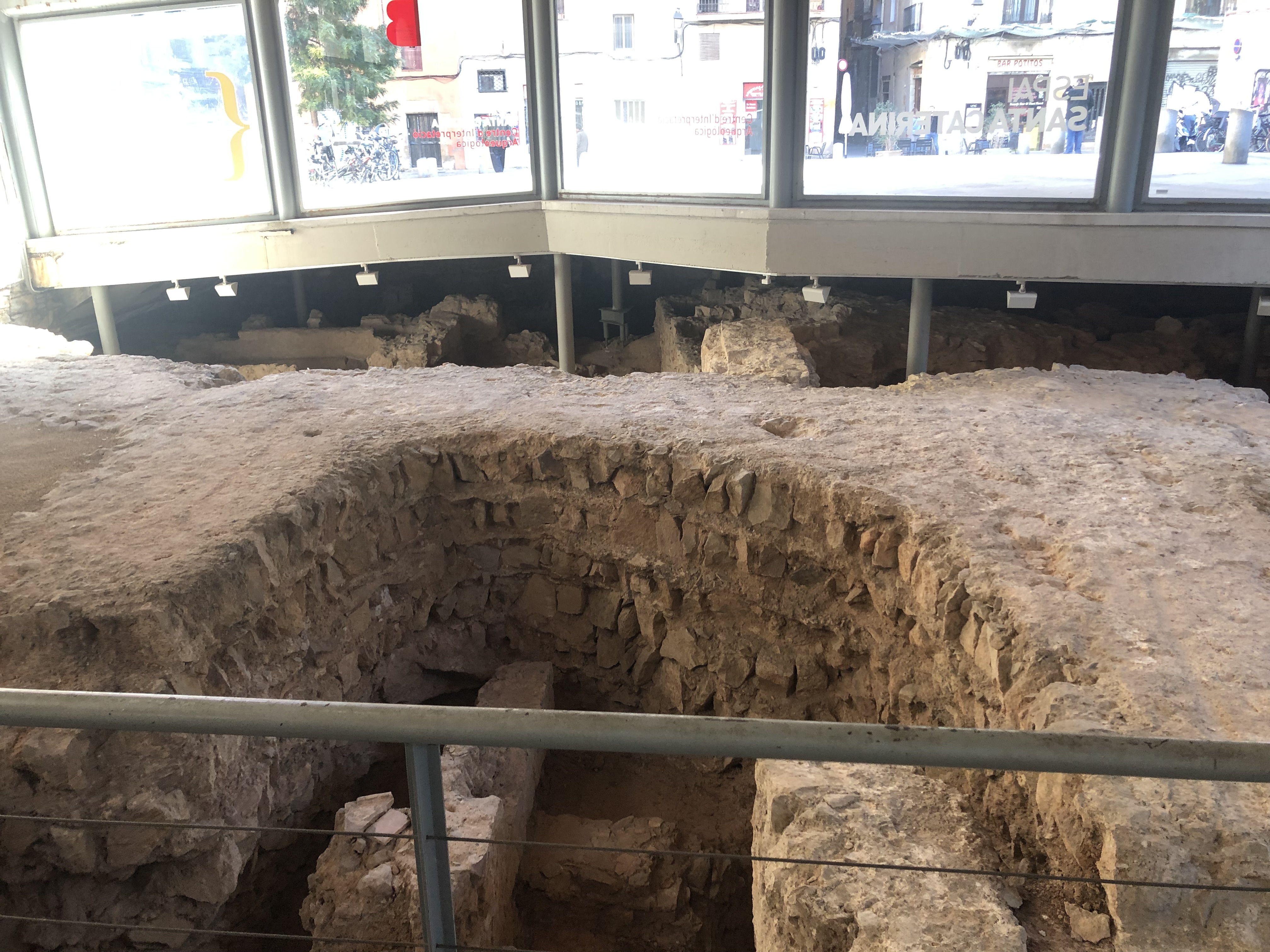
This was part of the remains from a palace like building at the foot of the church. 

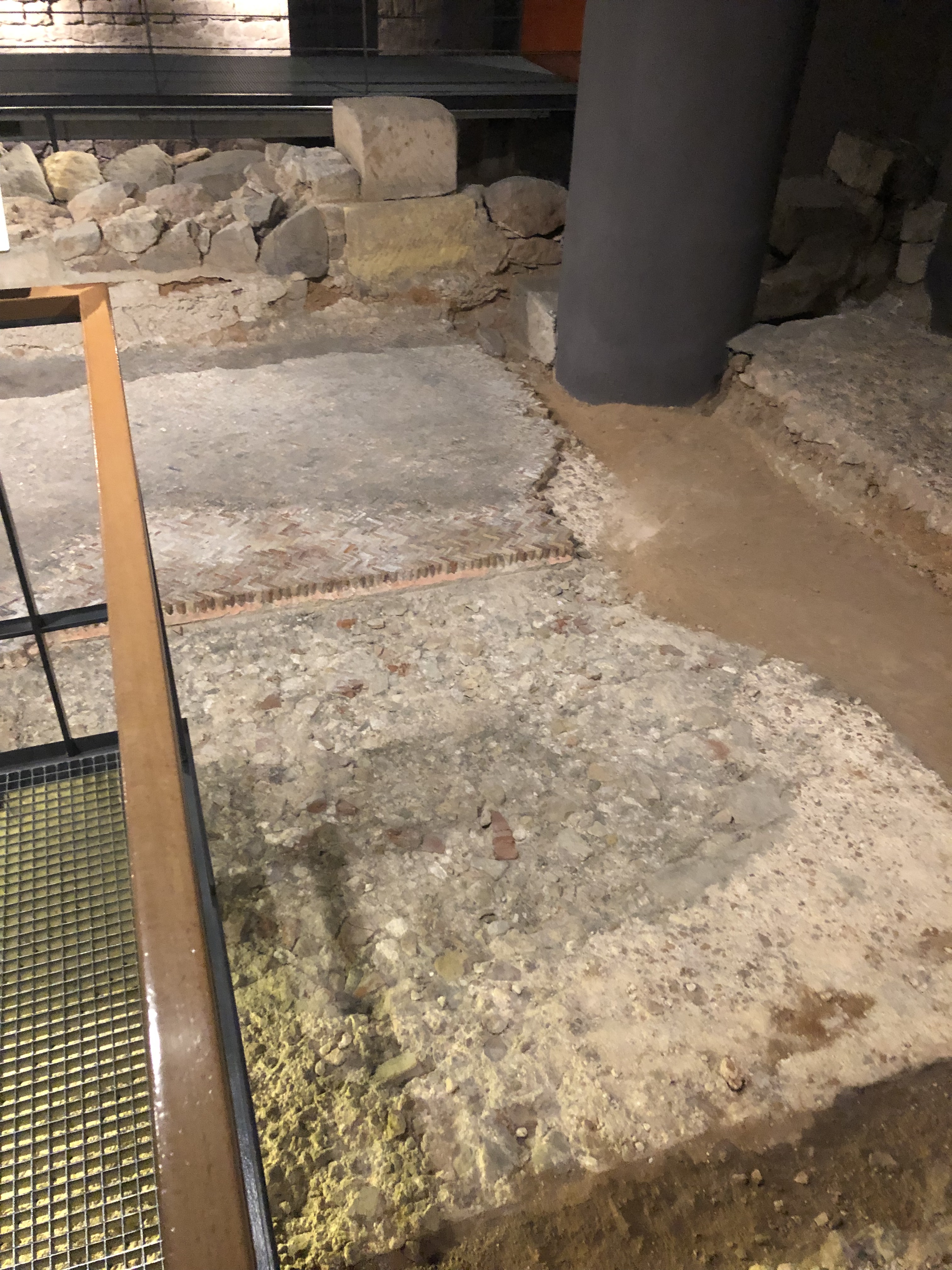
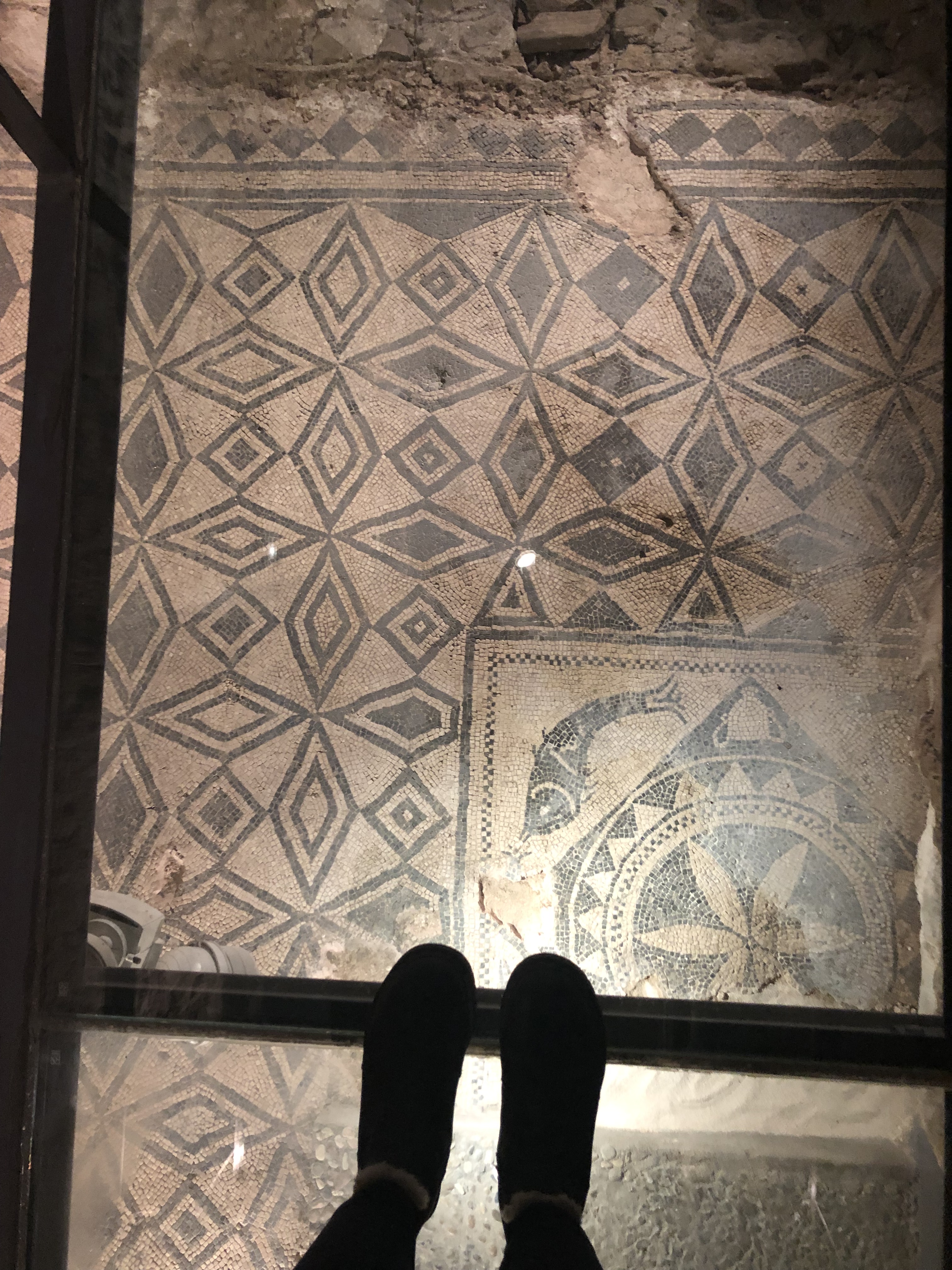
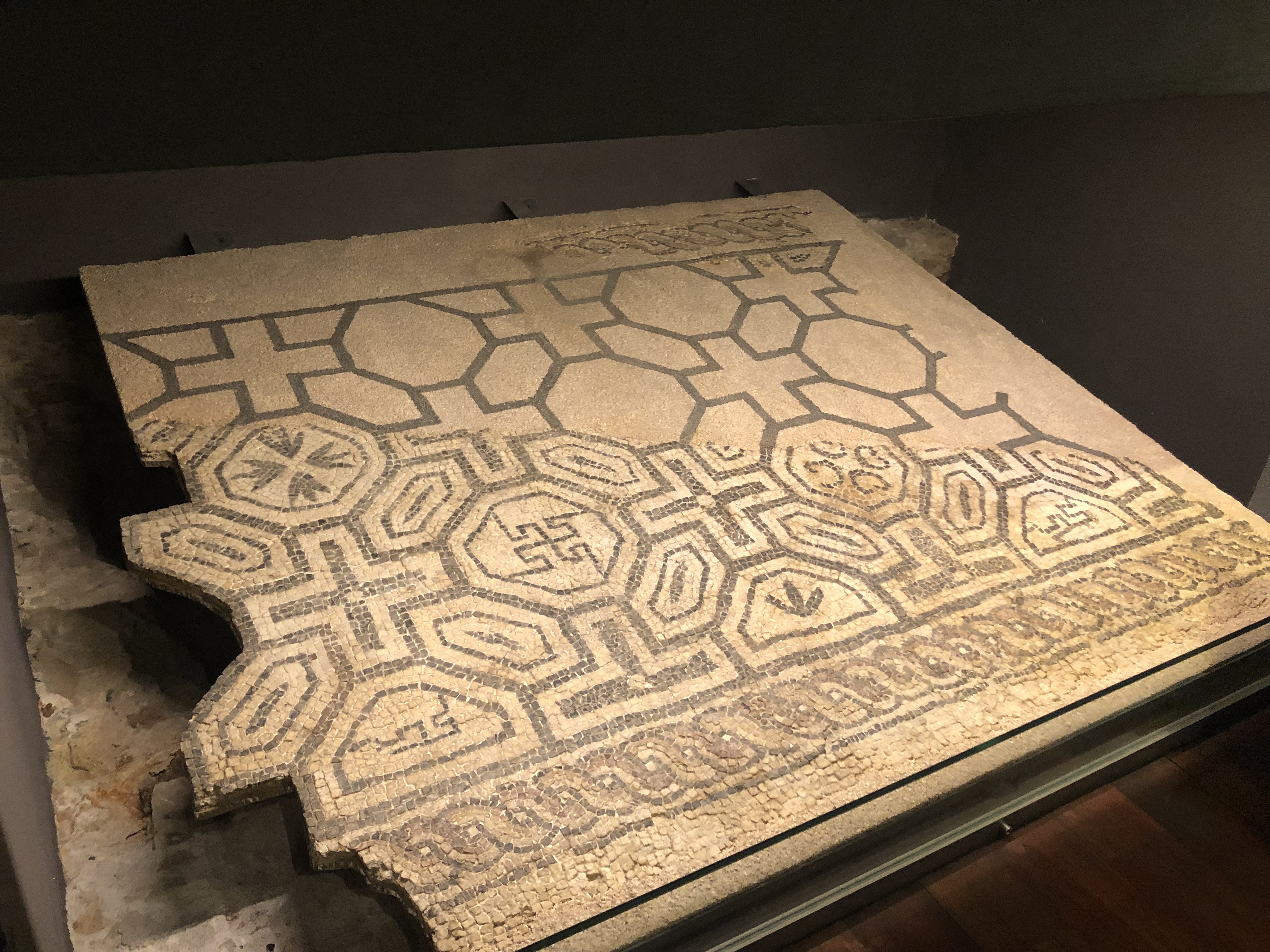
The construction similarities in Catalan and roman catalan buildings were very similar. Below are some pictures I took from the roman time period of the typical inward facing house, the pavement of a domus (roman house), and a mosaic from a domus.

When I left the museum, I looked out for other similar constructions to the roman time and found these two murals on the side of two different buildings. They show vast similarities in the mosaic art as well as the same color scheme. American architecture is similar in the way that architects use “outdoor living” in many houses built in warmer climates. Also, in the mosaic in the domus, it is similar to american architecture, specifically in the tiles of bathrooms/kitchens.

In my journey through learning more about roman culture, I learned that there was a constant trend in color and texture. Every pot or vase had a similar aspect to it to it such as these pots and vases. This surprised me because in other roman architecture, such as the mosaics, there was much more attention to detail shown. This just shows that the romans did not care as much about what they would eat and drink out of.

Lastly, we explored the aspects of the food and wine culture in the roman times. Romans used wine as part of the religious culture, as it represents blood of Jesus and is a very sacred part of Christianity. Today, it is viewed as something you have with every meal, even small children in Europe at least. I imagine wine was transferred to the Christian region for what it represents and how important it is to Christians. Wine culture in Catalunya is no longer viewed as much as a religious symbol but more as something to enjoy on with a meal. Below is a fish tank and a wine tank where both were made in roman times.